
NYS Licensed Mold Assessor Chris Long
Independent Mold Assessment and Moisture Investigation
Chris Long of Longs GCS LLC, Mohegan Lake NY, is a New York State licensed mold assessor serving Westchester, Putnam, Dutchess, Rockland and Orange Counties in New York and Fairfield County, CT. He documents what can be seen, finds the moisture behind it, and tells you plainly what an assessment can and cannot establish.
What Is a Mold Assessment?
NYS Licensed Mold Assessor Chris Long performs every assessment. A mold assessment is an inspection and moisture investigation by a New York State licensed mold assessor. It documents visible growth and the conditions and moisture sources that support it, takes samples where they add real information, and produces a written report and, where remediation is needed, a remediation plan.
Why You Need Our Mold Assessment Service
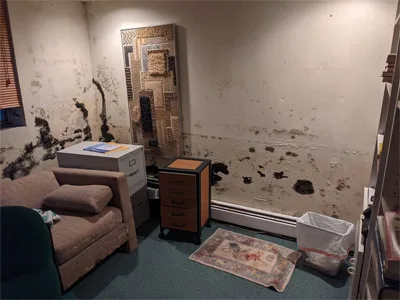
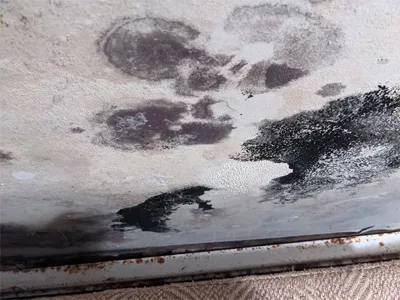
Mold can grow silently in walls, basements, or ceilings. It is often triggered by moisture, leaks, or poor ventilation. Common signs you may need a mold assessment:
- Musty or earthy odors in your home
- Recent water damage or flooding
- Visible mold spots on walls or ceilings
- Allergy-like symptoms (coughing, sneezing, headaches)
- Respiratory issues, especially in children or seniors
Not sure? An assessment documents what is visible and the moisture conditions behind it. Symptoms alone do not show that mold is the cause; for health questions, see your physician.

What a Mold Assessment Includes
Each assessment is personalized. The written report typically arrives within 24 hours.
1. The assessment. A visual inspection of accessible areas plus moisture meter readings and, where available, thermal and humidity readings.
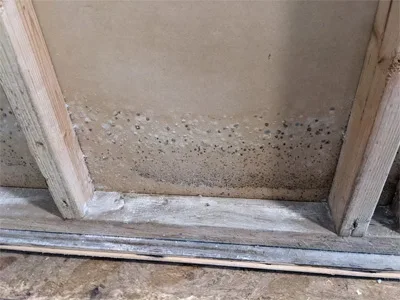
2. Moisture investigation. Finding the water source, because mold is a symptom of a water problem. Fixing the water is what keeps mold from coming back.
3. Sampling when appropriate. Air or surface samples go to an independent lab only when a sample will answer a real question. A sample shows one place at one moment in time, not the whole building.
4. Remediation planning. Where remediation is needed, a written scope that a licensed remediation contractor works from.
5. Independent follow-up. Post-remediation verification by the assessor. Under New York State mold licensing rules (Labor Law Article 32), the assessor who writes the plan may not perform the remediation on the same property. That is your benefit: nobody is diagnosing a problem they get paid to fix.
What an assessment can and cannot establish
- It covers readily accessible areas. Areas blocked by storage, finished surfaces, standing water or unsafe access are reported as not assessed, not as clear.
- Nothing is opened or dismantled. Where the evidence points behind a surface, the report says what is suspected and what step would confirm it.
- A sample describes one location at one moment in time. A clean sample does not prove a building is mold-free.
Questions, or ready to schedule? Call (914) 260-8571 or book online.

One Call Inspect All: We are Your Complete Home Inspection Solution
Request Your Home Inspection Services
Schedule your Home Inspection online, 24/7 availability
Frequently Asked Questions About Mold Assessments
What does a mold assessment include?
Do I need a mold assessment, and should I get one before buying?
Can an assessment find mold behind walls or floors?
What does the report contain, and when do I get it?
When is sampling worth it, and what can a sample prove?
Why does the assessor not do the remediation?
What happens after remediation?
What can a mold assessment not establish?
Where Moisture Problems Find Us
Flood-tested towns keep our moisture meters busy: Elmsford along the Saw Mill River, Mamaroneck with its two rivers, Scarborough basements on the Hudson slope, and Blooming Grove near Moodna Creek. Wherever you are in our service area, a musty basement is worth a look before you buy.
Related reading: Attic Mold in Westchester Homes: What Buyers Should Know.