
Buying a house built before 1960 in the Hudson Valley is a different job than buying a newer house. The systems are older, the repairs are layered, and there are more things an inspection can only look at, not open. These are the questions I would want a buyer to ask any inspector, including me.
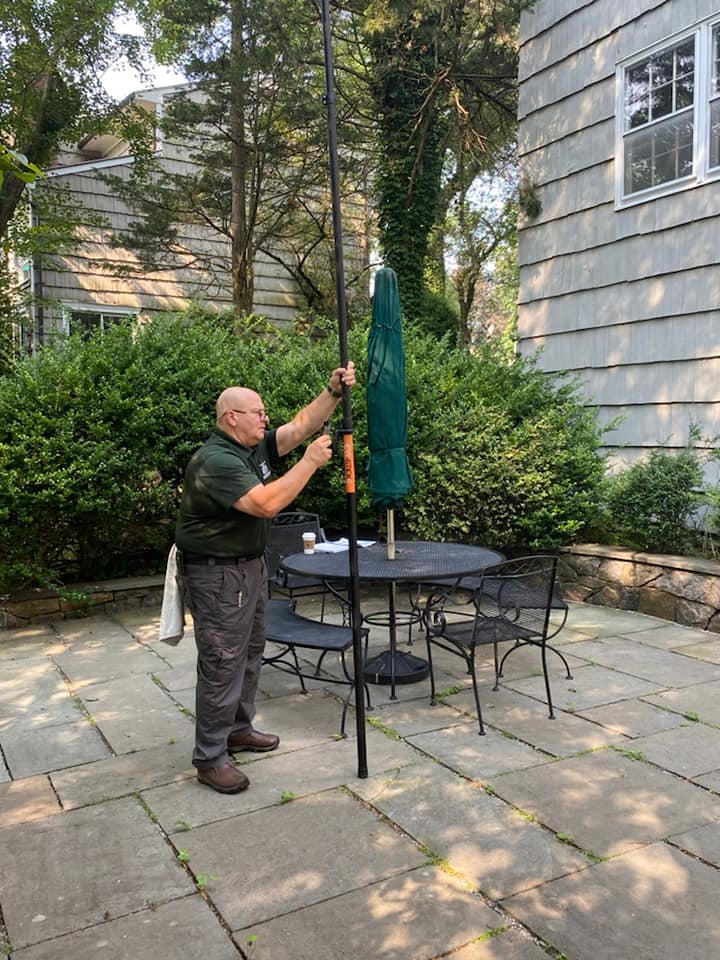
Who will be inspecting, and will they be on site?
Why it matters: In some companies the person who sells the appointment is not the person who walks the house. In an older home, experience is most of the value. Someone who has seen a hundred fieldstone foundations knows what a normal crack looks like and what a moving wall looks like.
A good answer: A name, a license, and a plain statement that this person will be on site from start to finish. With me, it is one inspector. I am Chris Long, licensed in New York and Connecticut, and I do the inspection myself. I have spent 49 years in residential and commercial construction, and I am an ASHI member (17598CG).
Do you work for me, or for the agent?
Why it matters: An inspector who depends on agent referrals has a reason to soften findings. You should know where the loyalty sits.
A good answer: The inspector works for the buyer, and the report belongs to the buyer. Agents are welcome to attend, and the report is not edited by anyone but the inspector.
Will you enter the attic, the crawlspace and the roof, or only view them?
Why it matters: Older capes and colonials often have tight attic hatches, low crawlspaces, and steep or slate roofs. Many significant findings in older homes are in places like these: bath fans ducted into the attic, soffits blocked by insulation, damp crawl spaces, and flashing failures on old chimneys.
A good answer: “I enter if it is safe and accessible, and I tell you in writing when I could not.” Standards of practice do not require an inspector to walk a roof that is unsafe, wet or icy, or to crawl into spaces that are too small or contaminated. I would rather say that plainly than pretend everything got opened.
How do you handle inaccessible areas?
Why it matters: Stored belongings, finished basement walls, plaster ceilings and furniture in front of panels all hide things. In a house that has been lived in for forty years, there is a lot of that.
A good answer: The inspector documents what was blocked, does not move a seller’s belongings, and lists those areas as limitations. You can then ask the seller to clear access, and I can come back to look.
What do you check for wiring and panels?
Why it matters: Houses of this age may have knob-and-tube wiring, cloth-insulated wiring, or panels from manufacturers such as Federal Pacific and Zinsco that have a poor reputation. Many houses have a mix of old and new wiring from successive renovations.
A good answer: The inspector opens the accessible electrical panel cover, identifies the panel brand and the wiring types visible, and tells you whether further evaluation by a licensed electrician is appropriate. An inspector should not claim to see inside walls. Knob-and-tube behind plaster can be invisible, and the report should say so.
How are oil tanks, septic systems and private wells handled?
Why it matters: In Putnam, Dutchess, Orange and northern Westchester, many houses have a septic system and a private well. Many older houses also have oil heat, with basement tanks and sometimes a buried tank that no one has records for.
A good answer: Honesty about scope. A general home inspection looks at the visible parts of the heating system and the tank, but it does not locate or test a buried tank, and it does not substitute for a septic evaluation by someone who is qualified to pump and inspect the system. For a well, the question is what can be tested in the same visit. See the water testing and analysis page for how water sampling fits with the inspection.
Can radon or water sampling happen in the same visit?
Why it matters: Radon is a concern in the Hudson Highlands bedrock, and basements in older stone-foundation houses can be good candidates for it. Water from a private well should be sampled by someone who follows a proper collection procedure. Doing it all in one appointment saves time during a short contingency period.
A good answer: A yes, plus specifics about who performs the work. I am a Certified NRSB Radon Measurement Technician, and radon testing is offered with the inspection. You can read about the process on the radon testing page. A radon test takes time to run, so ask about the testing period and when you will have results.
What will the foundation and basement review include?
Why it matters: Fieldstone and block foundations move, crack and let in water. Sump pits and perimeter drains tell you the house has had water before, whether or not the basement is dry on the day you visit.
A good answer: The inspector looks at cracking patterns, efflorescence, staining, the sump pit and discharge, the grading outside, and the downspouts. They will tell you what they see and say that a dry basement on one dry day does not tell you how it behaves after three days of rain.
What does the report look like, and when do I get it?
Why it matters: The report is what you negotiate from. If it arrives after your contingency period closes, it is not much use.
A good answer: A written, photo-documented report, with a clear separation between safety items, items that need repair, and routine maintenance. My reports typically arrive within 24 hours.
What is out of scope?
Ask this directly. A fair inspector will tell you the limits: no destructive testing, no opening finished walls, no predicting how long a roof or boiler will last, no code-compliance review, and no guarantees of what might be hidden. That is how a visual inspection works, and an inspector who promises more is promising something he cannot deliver.
Where to start
Read what the home inspection covers, and if the house is in Westchester, the Westchester County page goes into the housing stock I see there. Then use the questions above. An inspector who answers them plainly, including the limits, is the one worth hiring.
Talk to the inspector directly
Call (914) 260-8571 or book online. You get one inspector, licensed in New York and Connecticut and an ASHI member, and a written report typically within 24 hours.